


Field Notes
Plain-language notes on components, circuits and how to read a schematic, written for people at the bench, not for a classroom.
Field Notes
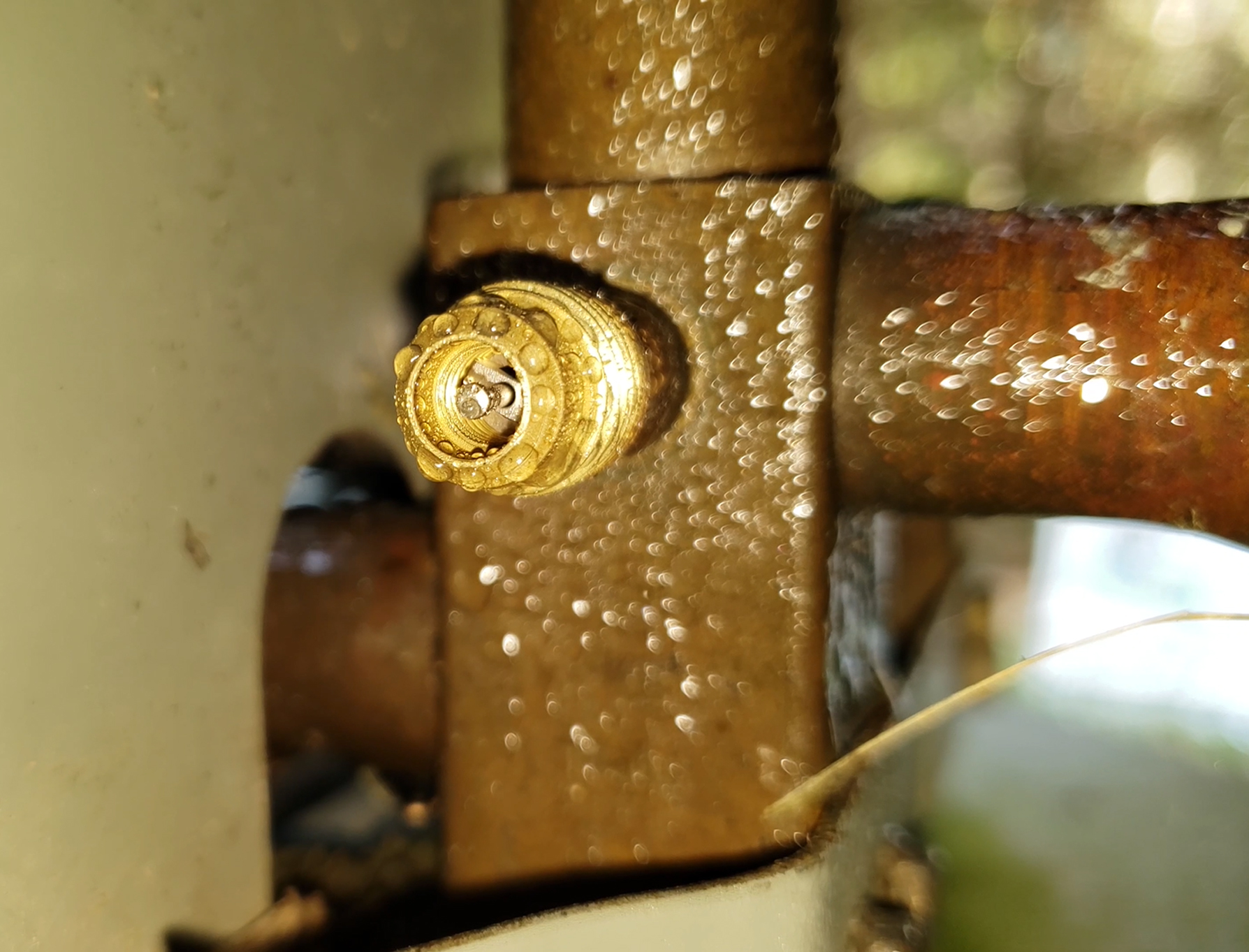
Connect Your Gauges Sooner Than Later! (Quick Tip)
When checking the refrigerant charge of a running HVACR system, remember to attach your refrigerant hose to the vapor port right away. Don’t wait or outdoor humidity w...
Read more →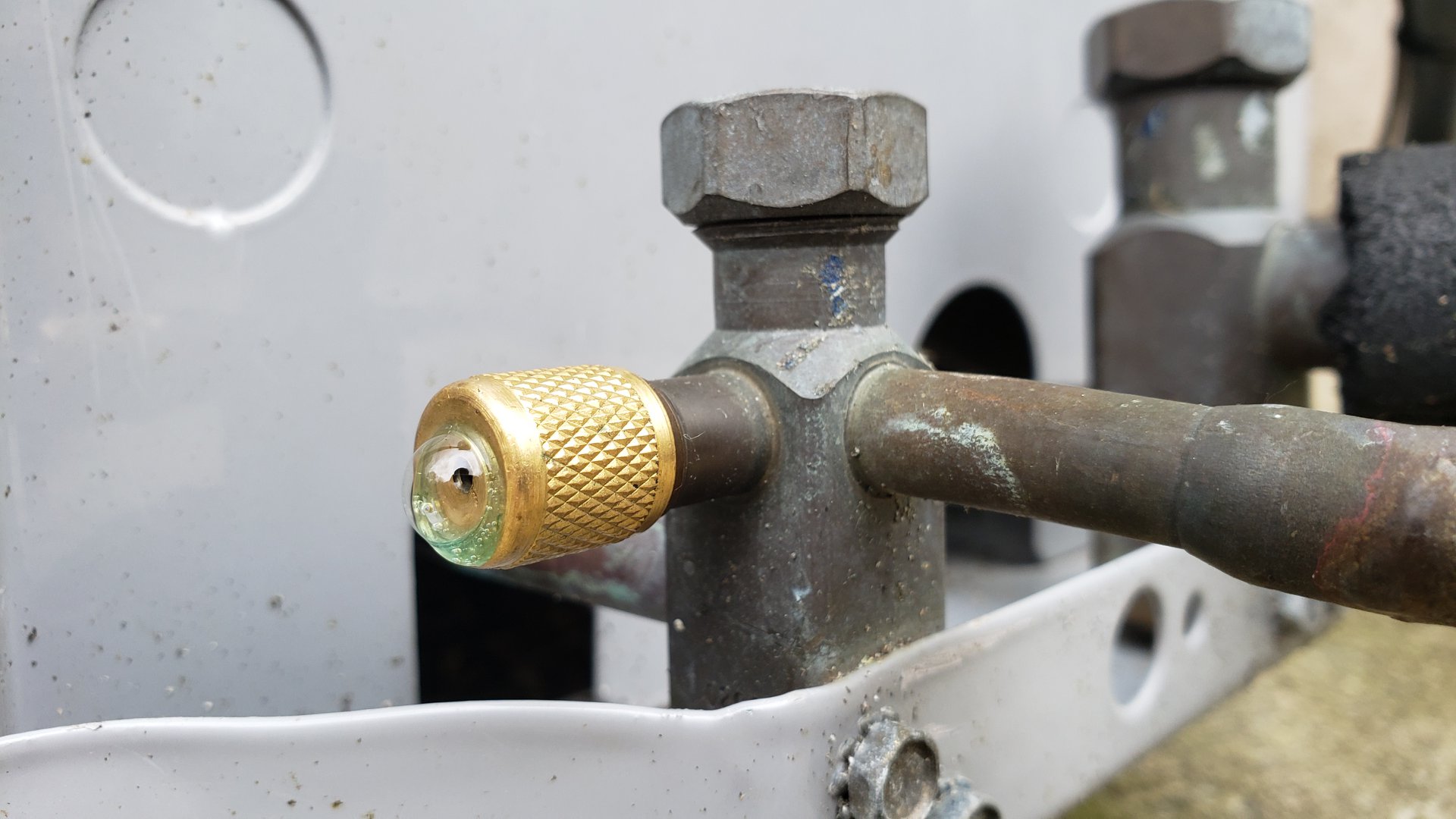
Free Shrader Valve Refrigerant Leak Tester (Quick Tip)
Make a Quick Free Refrigerant Leak Tester for the Schrader Valve (Valve Core) at the Access Port. Drill an 1/8” hole in the end of an extra port cap. Screw your testin...
Read more →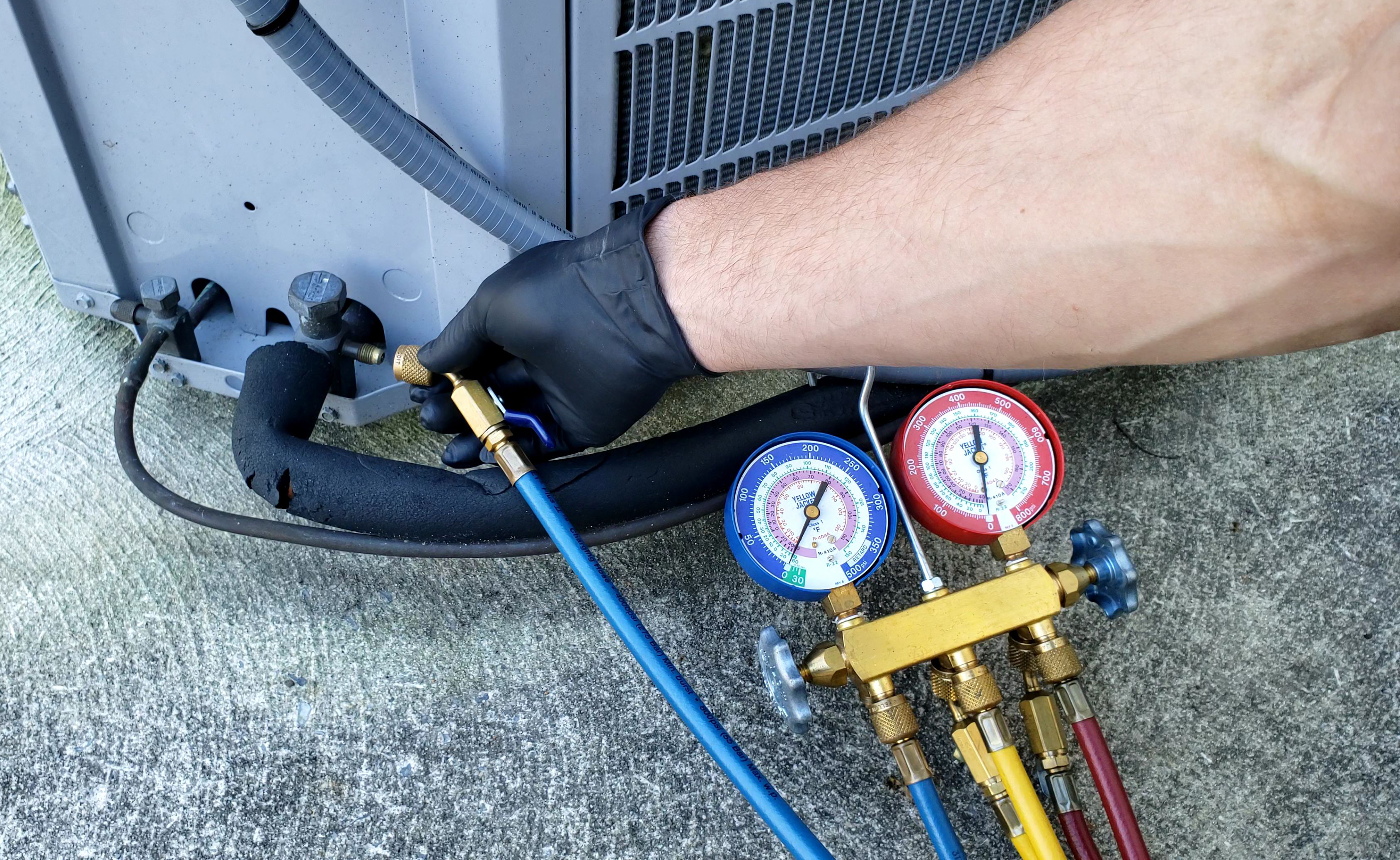
Why Can’t You Just Measure Pressures to Check a Refrigerant Charge?
Most technicians in the HVAC field know the normal range of operation for the low-pressure side of an air conditioning system. This tends to be around 60 PSI to 85 PSI...
Read more →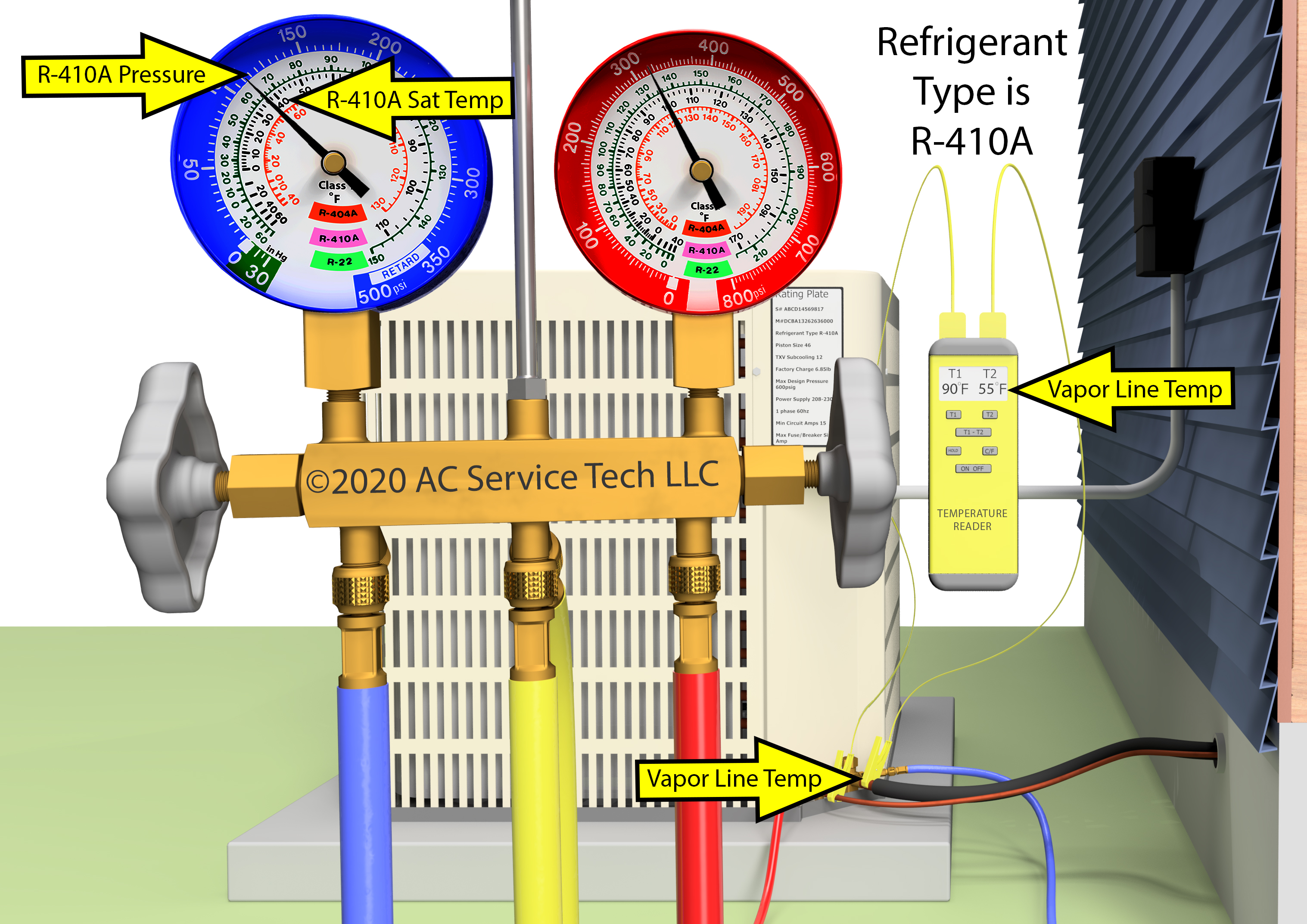
Using the Total Superheat Charging Method for HVAC Units!
In this article, we will define both superheat and total superheat, calculate total superheat, explain how to use total superheat to check the refrigerant charge, and ...
Read more →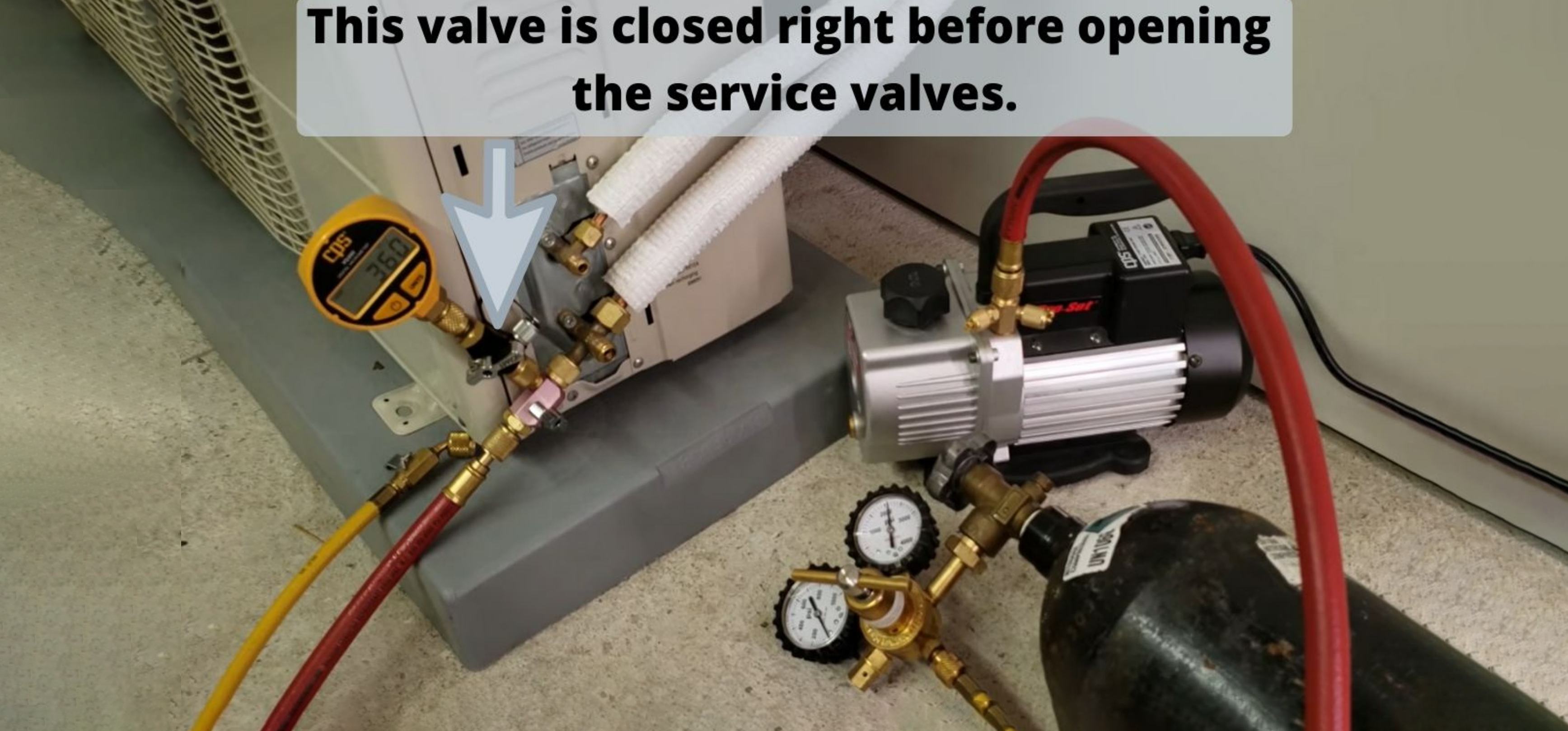
An Additional Valve Core Removal Tool for your Vacuum Gauge! (Quick Tip)
Use an additional valve core removal tool in your vacuum setup to valve off and protect the vacuum gauge sensor from oil contamination when refrigerant is added into t...
Read more →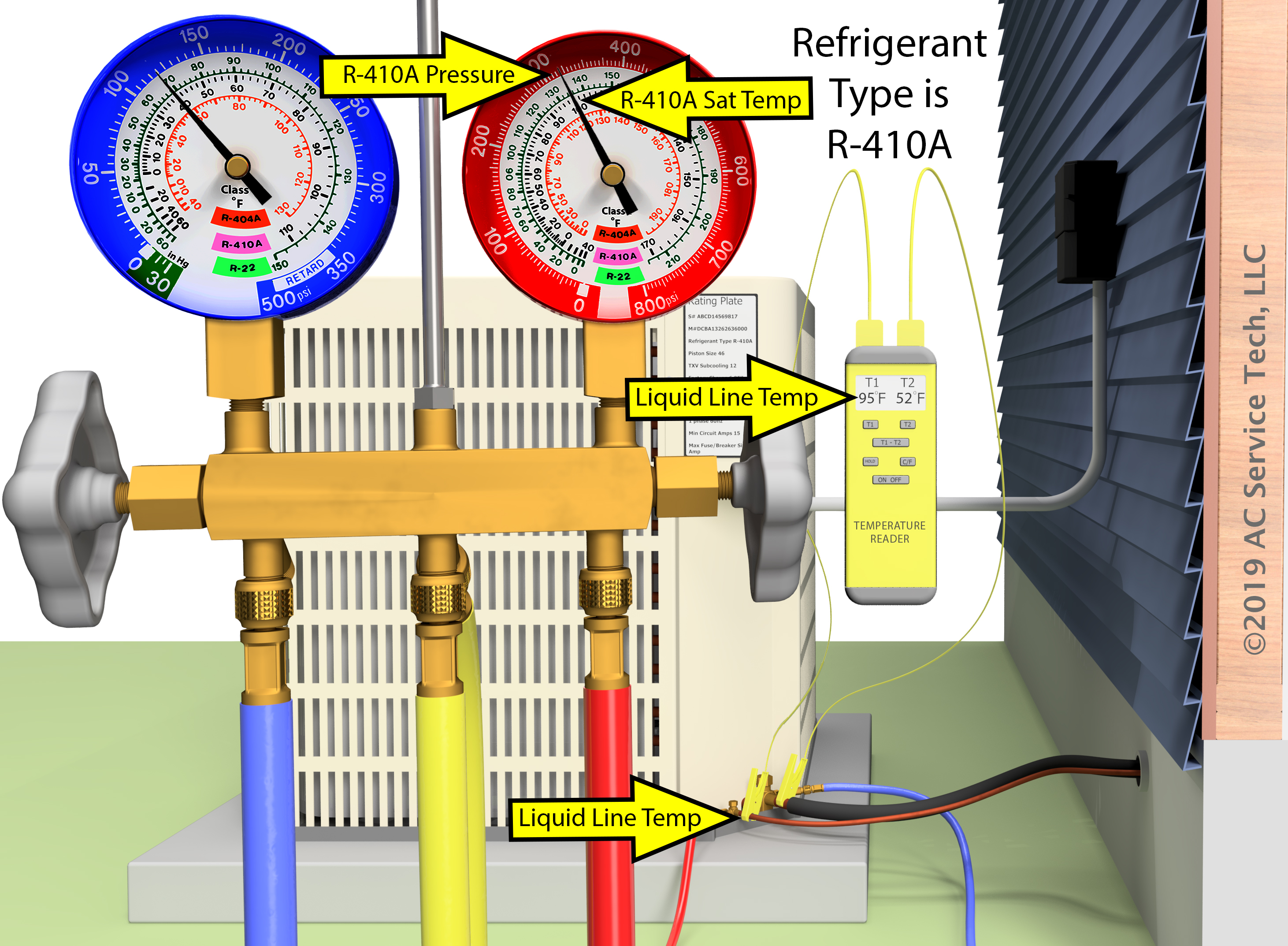
The HVAC Subcooling Charging Method, Explained!
In this article, we will define subcooling, calculate subcooling, explain how to use subcooling to check the refrigerant charge, and show where the measurement points ...
Read more →Electronics, in plain language.
Occasional notes on components, circuits and projects worth building. No hype, unsubscribe anytime.
We never share your email.
Read it at your own bench first.
Then decide.
30-day money-back guarantee, free shipping